


Directed by T. Kittu, Aatti is a period drama set in the tea-plantation village of Edakadu. The story takes place in an earlier era when the people living in the village had very little access to education and modern facilities. The film creates a rural atmosphere and introduces the audience to the villagers’ simple lifestyle.
Among the villagers, Azhagu (Abi Nakshatra) stands out as the only young woman who has received some education. She dreams of bringing knowledge and learning to her people. Determined to improve the future of her village, she starts a small classroom in a hut and encourages children to learn. Her dedication becomes one of the strongest elements of the story.
With the support of the village head, Azhagu manages to get books from an NGO and continues her efforts to educate the community. She also requests that a proper teacher be appointed to the village. Through these scenes, the film highlights the importance of education and social development in rural areas.
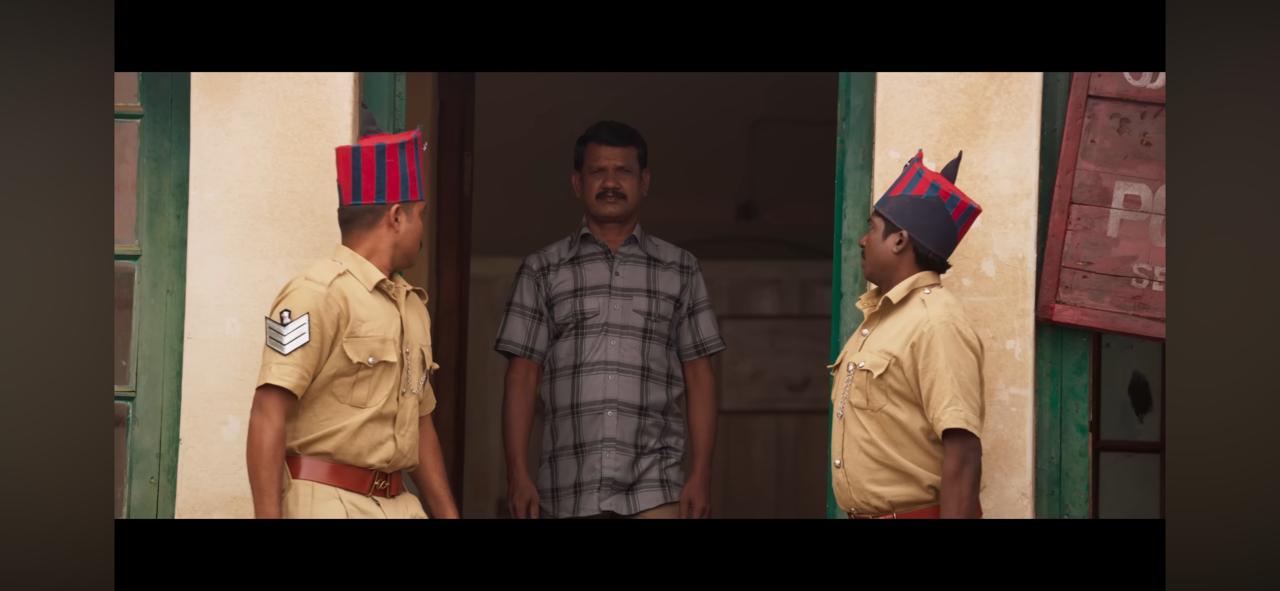
The movie also introduces a peaceful village where crime is almost non-existent. Even the local police officers have very little work to do, and the post office rarely handles any incoming or outgoing letters. When a police constable is transferred to the village, he is surprised by the calm and crime-free environment.
The story takes an unexpected turn when a wealthy man with a questionable character is appointed as the village teacher. Shockingly, he is murdered just four days after joining the school. This incident changes the peaceful atmosphere of the village and sets the stage for a gripping investigation.
As the police begin investigating the murder, several secrets start to unfold. The mystery surrounding the teacher’s death keeps the audience engaged, and the film gradually reveals deeper layers of the story. The ending leaves room for a sequel, hinting that the journey of Aatti is far from over.
One of the film’s biggest strengths is its portrayal of women. Instead of showing women as helpless individuals, Aatti presents them as courageous, intelligent, and capable of protecting their people. The story emphasizes that women have always possessed strength and leadership qualities. This refreshing approach makes the film stand apart from many traditional narratives where men are often shown as the sole protectors.
Abi Nakshatra delivers a sincere performance as Azhagu and effectively carries the emotional weight of the film. Esakki Karvannan as Amaithi Raj, Kadhal Sukumar as Constable Vidiyal, Soundar as Postman Esakki, Selvakumar as Constable Kuppusamy, and Praveen Palanisamy as Selvam contribute well to the story. Cinematographer Sibi Sadhasivam captures the village setting beautifully, while Theeson’s music supports the mood of the film. Director T. Kittu deserves appreciation for presenting a story that combines mystery, social awareness, and women’s empowerment. Overall, Aatti is an interesting rural drama that delivers an important message while keeping the audience engaged.