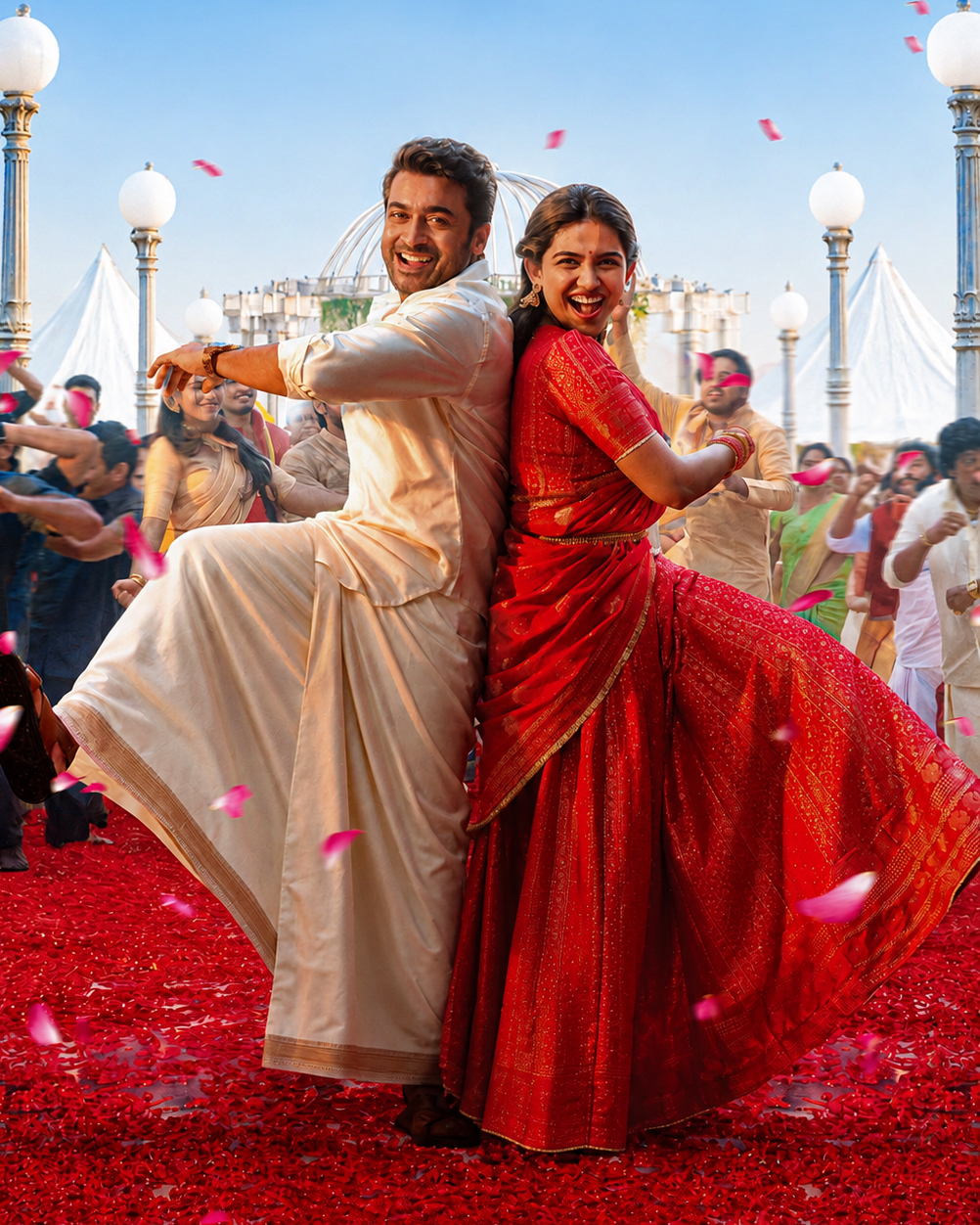




Ego Raman marks the return of Robo Shankar in a completely unexpected and memorable role. Though the film was made years earlier, it has now been released after his passing, making it an emotional experience for audiences who admired his work and energetic screen presence.
Tamil cinema fans have always remembered Robo Shankar for his comedy timing and lively performances. From television reality shows to films, he built a strong connection with audiences through humour and natural acting. Even though he was not frequently seen in recent films, his comedy scenes still remain popular among viewers.
In Ego Raman, Robo Shankar moves away from comedy and surprises everyone with a serious performance filled with emotional depth and negative shades. His character stands as one of the biggest strengths of the film and proves his versatility as an actor.
The story revolves around Raman, a respected village school headmaster played by Robo Shankar. To the people around him, Raman appears disciplined, honest, and highly respected in society.
However, director Ganesan Nachimuthu slowly reveals the darker side of Raman’s personality. Behind his respected image, Raman silently judges students based on their social background and community identity. This hidden discrimination becomes the emotional core of the movie.
Instead of handling the issue in an overly dramatic manner, the director presents it subtly and realistically. The screenplay allows the audience to understand Raman’s mindset through simple yet meaningful situations without depending on loud dialogues.
One of the strongest moments in the film comes during a classroom scene involving two students celebrating their birthdays. One student gives an expensive 5 Star chocolate, while another offers a simple orange-flavoured candy worth less than one rupee.
Raman throws the costly chocolate into the dustbin and chooses the cheaper candy instead. Through this small but powerful moment, the audience clearly understands the emotional and psychological layers of the character. The scene effectively communicates the film’s message without unnecessary explanations.
The story then shifts towards Arivu, played by Sibi Bhuvanachandran. Arivu is an ambitious young man who dreams of clearing the TNPSC Group 1 examination and becoming a government officer. His character represents determination, patience, and hard work.
Arivu is raised by his single mother, who supports him emotionally and financially despite many struggles. Their relationship brings emotional strength to the narrative and reflects the sacrifices made by many parents for their children’s education.
The film realistically portrays the challenges faced by rural students. Arivu travels long distances on an old bicycle to attend coaching classes, showing the difficulties faced by students who come from financially weak backgrounds.
Wanting to reduce her son’s struggles, Arivu’s mother plans to buy him a modern bike so he can save time and focus more on his studies. Interestingly, Raman also decides to buy the same model bike, but both characters view it differently.
For Arivu, the bike represents education, progress, and a better future. For Raman, it becomes a symbol of dignity and social status. The director effectively uses this contrast to highlight the difference in their thinking and values.
Alongside his studies, Arivu falls in love with Revathi, Raman’s daughter. Their relationship adds emotional softness to the film and blends naturally into the storyline without disturbing the central theme.
Interestingly, Raman was once the person who motivated Arivu during childhood. He even saved Arivu’s life when the young boy accidentally fell into a waterbody. However, as time passes, Raman himself becomes the biggest obstacle in Arivu’s life because of his discriminatory mindset.
Raman strongly opposes the relationship after realising Arivu belongs to another community. Understanding the complications, Arivu chooses to step away from love and focus entirely on achieving his dreams. His maturity and patience become major strengths of his character.
After years of hard work, Arivu successfully cleared the TNPSC examination and returned to his own village as a government officer. He later visits Raman’s school for an official inspection, leading to some of the most emotionally powerful scenes in the film.
During the inspection sequence, Raman refuses to greet Arivu respectfully despite his official position. However, Arivu responds with maturity and emotional intelligence rather than anger or revenge. His heartfelt speech slowly changes Raman’s rigid mindset.
One of the biggest achievements of Ego Raman is the way it handles discrimination through education, understanding, and humanity instead of violence. Many films dealing with similar themes focus heavily on revenge, honour killings, and tragedy. This film takes a refreshing approach by delivering its message through emotions and awareness.
Robo Shankar delivers one of the finest performances of his career. His expressions, body language, and dialogue delivery make Raman feel realistic and emotionally layered. Sibi Bhuvanachandran also performs confidently and carries the emotional portions naturally. Keerthana shares good chemistry with Sibi, while supporting actors like Kavitha Ramesh, Sappani Murali, Cheranraj, and Latha contribute effectively to the realistic village atmosphere. Technically, the film remains simple and grounded. Reyman Rodrigues’ music supports the emotional flow of the story, and the songs blend naturally with the narration. Director Ganesan Nachimuthu deserves appreciation for his story, screenplay, dialogues, and sensitive handling of the subject. Produced by Sudha G under the banner of Asrutha Productions, Ego Raman stands as a meaningful rural drama that delivers a powerful social message through emotions and education.