


Habeebi, which means “My Love” in Arabic, is a period love drama set in the 1980s. The film focuses on the lives, emotions, and traditions of a Muslim family and presents a heartfelt story about love, separation, and relationships during a time when communication was not as easy as it is today.
In the modern world, travelling to foreign countries has become common for work, business, and tourism. People can easily stay connected with their families through mobile phones, social media, and video calls. However, the film reminds the audience of a time when such facilities did not exist, making communication between loved ones a difficult and emotional experience.
The story mainly revolves around people who travel to Arab countries to earn money and support their families. Through this journey, the film showcases the sacrifices they make and the emotional challenges faced by both those who leave and those who stay behind. The narrative captures the struggles of maintaining relationships across long distances.
One of the film’s strengths is its portrayal of Muslim culture and traditions. The story explores how older generations strongly followed traditional values, while younger people slowly adapted to changing lifestyles. This cultural contrast adds depth to the narrative and helps the audience understand the social atmosphere of that period.
The romantic portions are handled with simplicity and realism. The film beautifully shows how couples expressed their love during a time when technology was limited. The scenes involving communication through tape recorders are presented naturally and effectively, bringing an emotional touch to the story.
Director Meera Kathiravan presents the period setting with sincerity and attention to detail. Writer V.S. Mohamed Ameen creates a story that highlights family bonds, cultural values, and emotional connections. The screenplay moves at a steady pace and remains focused on the lives of its characters.
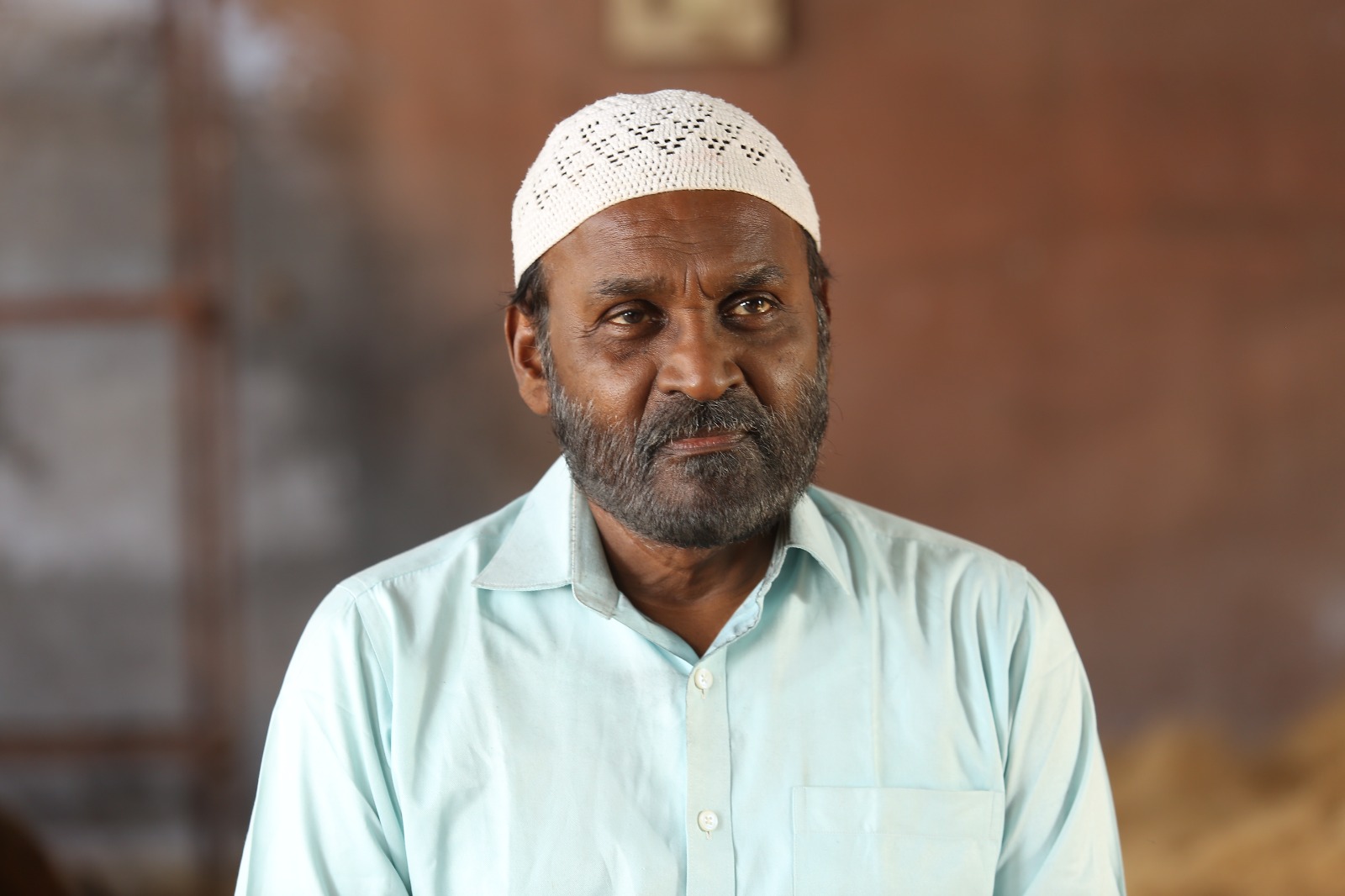
Kasthoori Raja, who plays Mohamed Yousuf, delivers one of the film’s most notable performances. His transformation from a young man to an elderly character looks convincing, and he brings genuine emotion to the role. His natural acting helps the audience feel the pain, struggles, and responsibilities of the character.
Debut actor Syed Abuthahir performs confidently as Esha. Despite being a newcomer, he handles emotional and mature scenes with ease. His journey from a young boy to a responsible man is portrayed effectively. Malavika Monoj gives an innocent and graceful performance as Nilofar Nisha, while Dhanasree impresses as Kathija Parvin, portraying a bold and intelligent woman with confidence.
On the technical side, Sam CS provides a subtle and pleasant musical score. Instead of relying on loud background music, he supports the emotional moments with restraint, allowing the story and characters to remain the focus. The production teams, including Nesam Entertainment, GKS Brothers Production, and Romeo Pictures, have supported the film well and helped recreate the atmosphere of the 1980s.
Overall, Habeebi is a simple and emotional film that takes the audience on a two-and-a-half-hour journey through Muslim culture, traditions, family values, and love. It may not rely on grand commercial elements, but it succeeds in presenting heartfelt emotions and the realities of life during a different era. Audiences who enjoy family-oriented and culture-based dramas may find the film engaging.